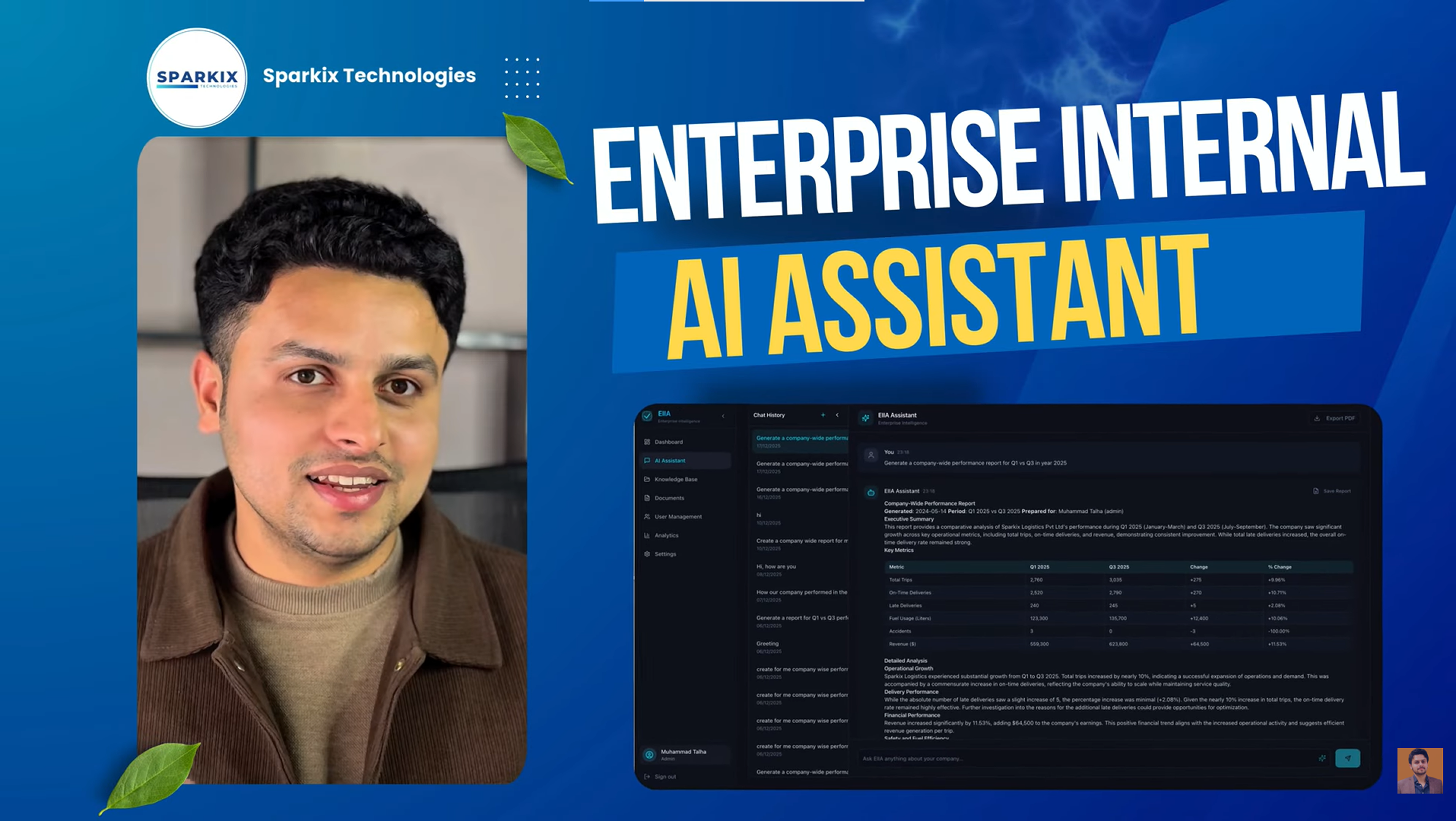
For the past decade, enterprise AI automation meant rule-based systems that executed the same task the same way every time. Bots clicked buttons, scripts moved files, and workflows ran, but only within a fixed set of rules a human had to define in advance.
That era is ending. A new generation of AI agents is changing what automation inside the enterprise actually looks like, moving from static, rule-following scripts to systems that can reason, decide, and act across multi-step processes with minimal human intervention.
From Rule-Based Scripts to Reasoning Systems
Traditional automation follows a fixed script: if X happens, do Y. It is fast and reliable for narrow, predictable tasks, but it breaks the moment a process deviates from the expected path, such as an unusual invoice format or a missing field.
AI agents work differently. Built on large language models and equipped with the ability to use tools and query systems, they can interpret unstructured inputs, break a broad goal into a sequence of steps, and adjust that sequence as new information comes in.
Where AI Agents Are Already at Work
In IT operations, agents triage incoming support tickets, correlate them with system logs, and either resolve routine issues automatically or hand off a fully diagnosed case to an engineer.
In finance, agentic systems read varied invoice formats, cross-reference purchase orders, flag discrepancies, and route exceptions to the right approver, handling judgment calls that once required a person in the loop.
In customer operations, agents manage multi-turn interactions end-to-end, pulling account history and executing actions within defined limits before escalating anything outside their authority.
Why Enterprises Are Moving Now
Complexity is outgrowing rule-based systems. As organizations scale, the number of edge cases traditional automation cannot handle grows faster than teams can write new rules for them.
The cost of building agentic systems has also dropped sharply. What required a large in-house AI team two years ago can now be built and deployed by a small team using existing frameworks and enterprise-ready tooling.
The Guardrails That Make Agents Safe to Deploy
Agentic AI is not a drop-in replacement for judgment. Agents need clearly scoped permissions covering what systems they can touch, what actions require human approval, and what triggers an automatic escalation.
Observability matters just as much. If a business cannot see what an agent decided and why, it cannot debug it, audit it, or trust it in a regulated environment, which is why AI observability has become its own enterprise discipline.
Getting Started
The most effective deployments begin with a single, bounded, high-volume process, such as ticket triage or invoice exception handling, where the scope is narrow and the results are measurable.
From there, agents typically run alongside human teams before any handoff, giving the organization time to validate decisions and expand scope with confidence rather than risk.