Long patient wait times are usually treated as a staffing problem. The instinct is to hire more schedulers, more front-desk staff, more triage nurses, but healthcare organizations are running into a hard limit: the workforce simply is not available at the pace demand is growing.
AI automation offers a different lever. Instead of adding headcount, it makes the scheduling, triage, and check-in processes that already exist faster and smarter, which is where most of the delay actually comes from in the first place.
Where the Time Actually Goes
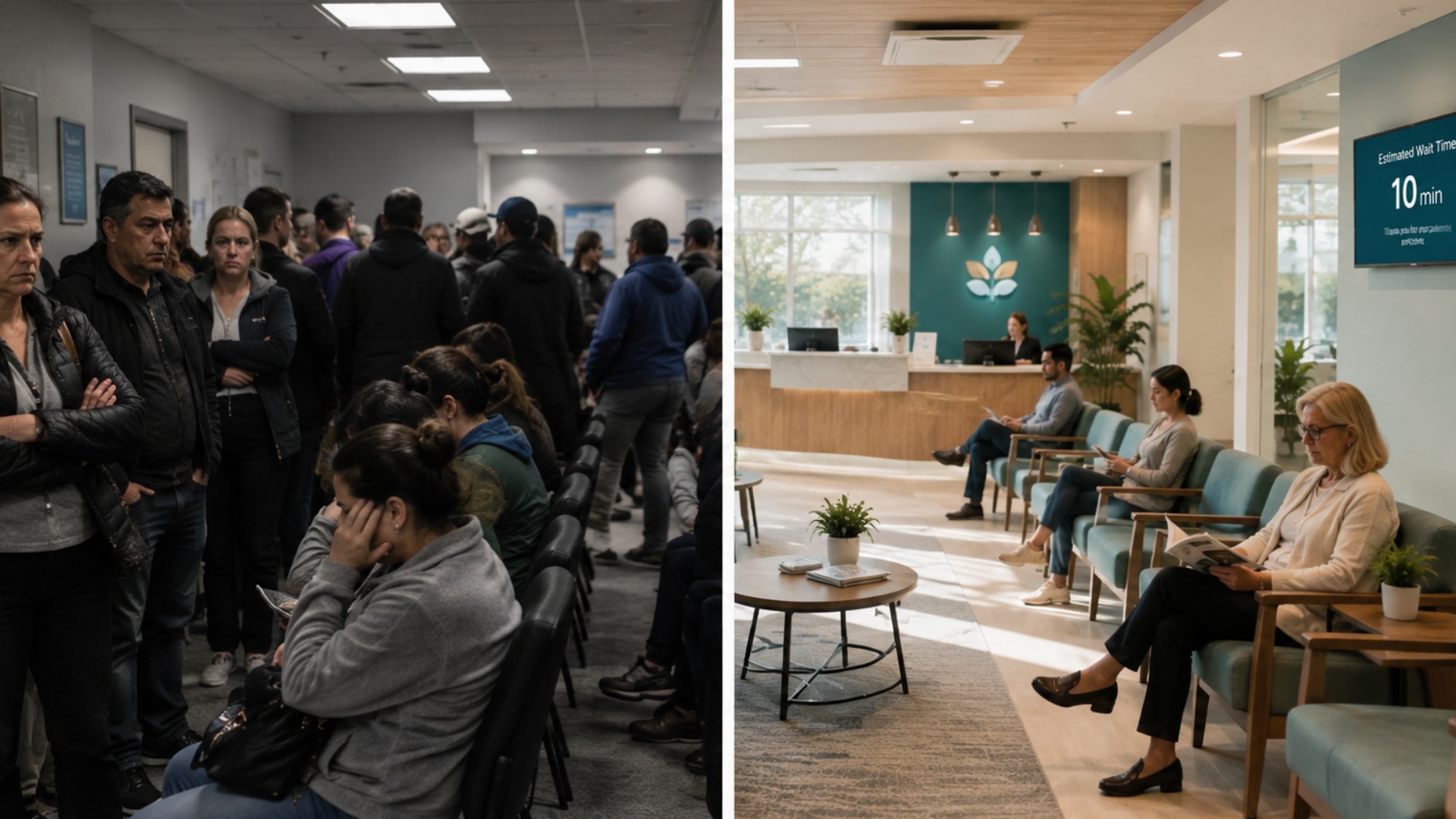
Wait times rarely come from a single bottleneck. They build up from small inefficiencies across the visit: a slot left empty after a no-show, a five-minute manual check-in process repeated for every patient, or a queue that treats every case as equally urgent when some clearly are not.
None of these problems require more people to fix. They require the existing process to run with less friction.
How Automation Closes the Gap
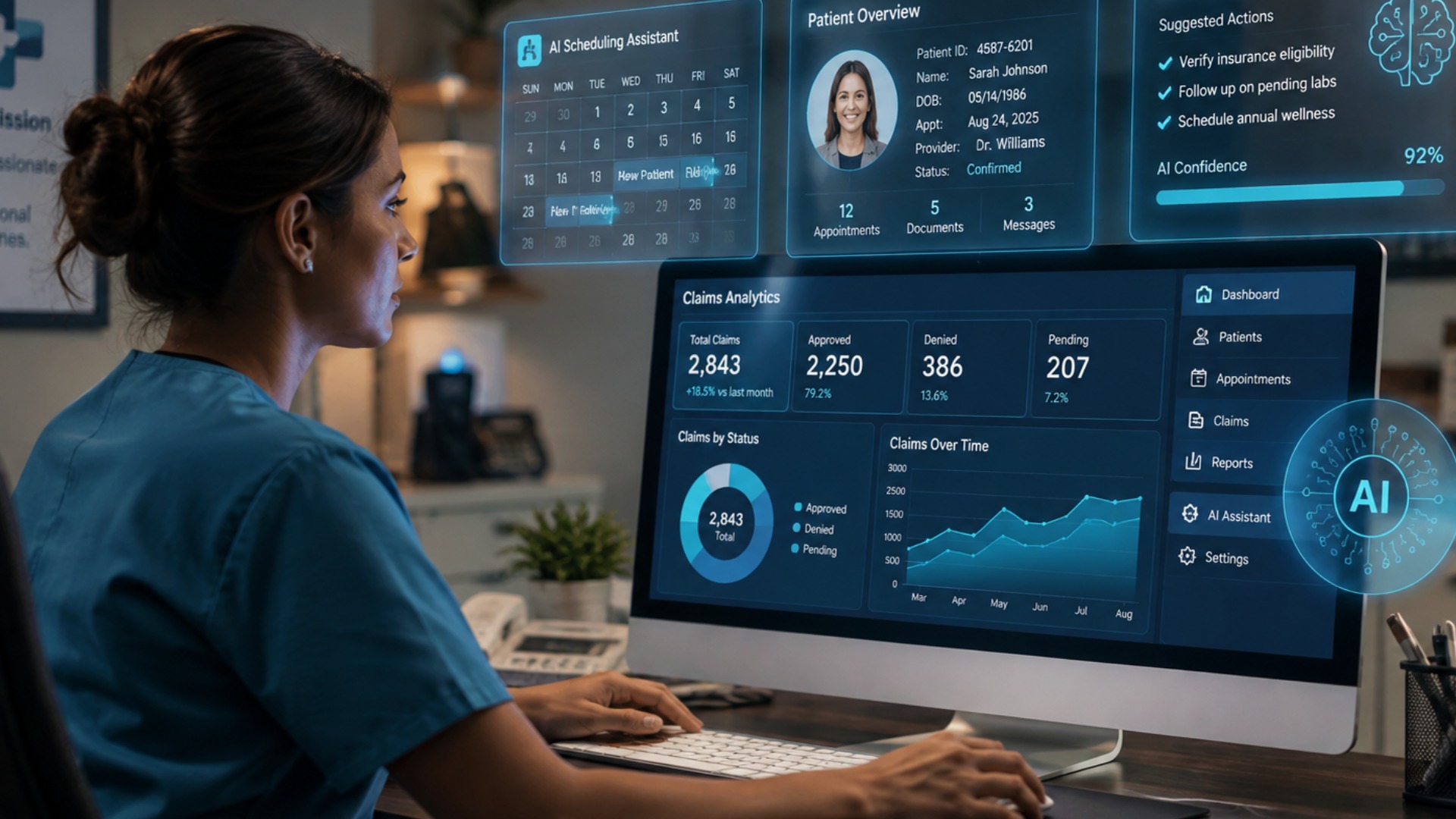
AI automation predicts no-shows before they happen and automatically offers the freed slot to patients on a waitlist, keeping schedules full without a staff member manually working the phones.
At check-in, automated intake collects insurance details, updates records, and flags anything incomplete before the patient reaches the front desk, cutting a process that once took minutes down to a fraction of that.
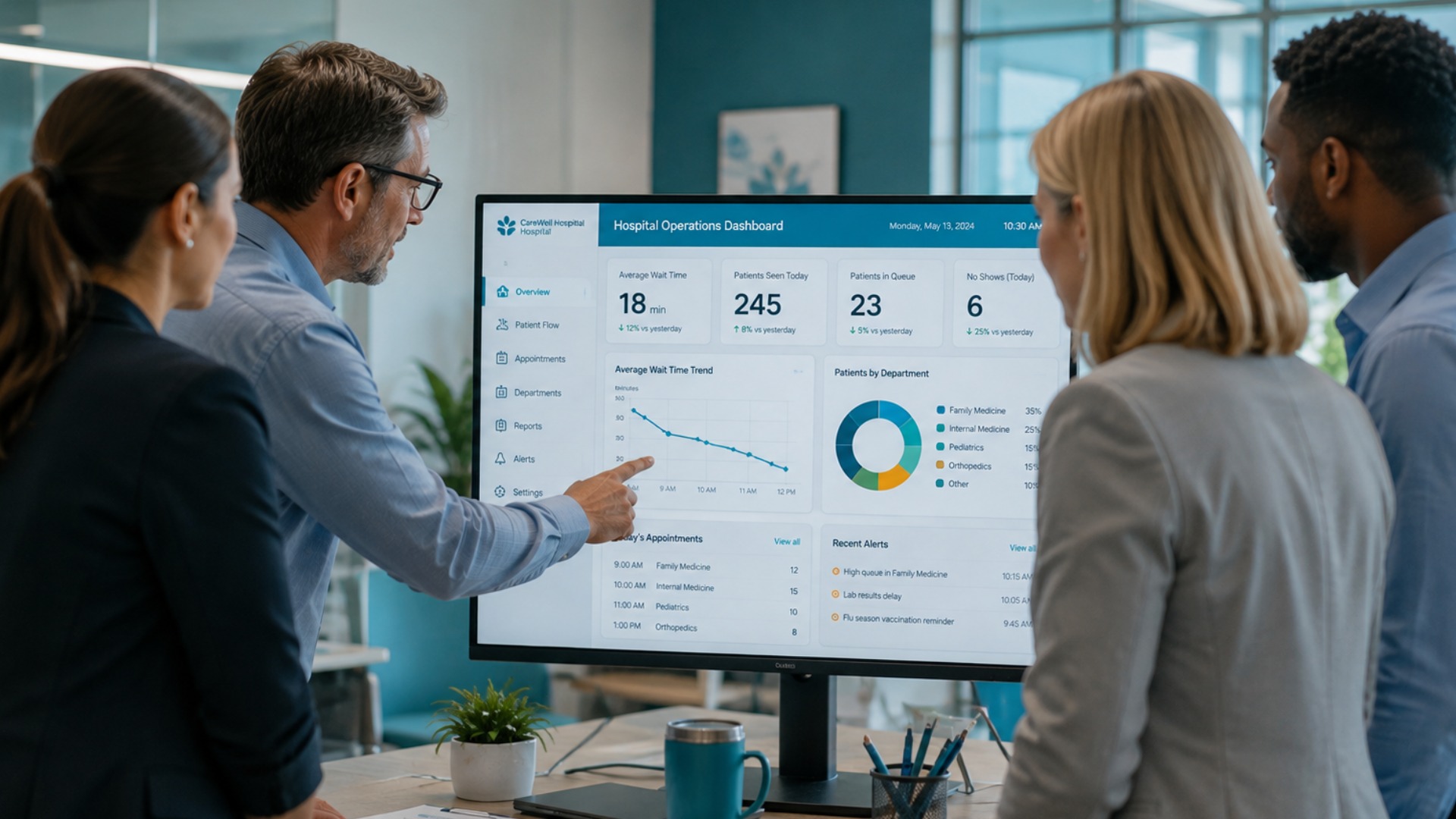
In triage, automation routes patients based on urgency and provider availability in real time, rather than a strict first-come queue, so lower-complexity visits are not stuck waiting behind longer appointments.
The Staffing Reality Behind This
This matters because healthcare is not short on process improvement ideas, it is short on people to execute them manually. Automating the repetitive parts of scheduling and intake means the staff already on hand can focus on patients instead of paperwork, and administrators are not forced to choose between shorter wait times and an already strained hiring budget.
What This Does Not Replace
Automation handles the predictable, high-volume parts of patient flow, not clinical judgment. A nurse still makes the real triage call for anything ambiguous, and a receptionist still handles the patient who needs a human conversation, not a screen. The goal is fewer manual tasks standing between patients and care, not fewer people involved in delivering it.
Getting Started
Most health systems see results fastest by automating one high-friction point first, typically no-show prediction or digital check-in, before expanding into full triage and scheduling automation.