How AI Automation Reduces Operational Risk in SMB Supply Chains
Small and mid-sized businesses depend on suppliers, logistics providers, inventory systems, and internal teams to keep operations running smoothly. As these processes become more connected, supplier delays, inventory issues, manual errors, and unexpected disruptions can create significant operational risk.
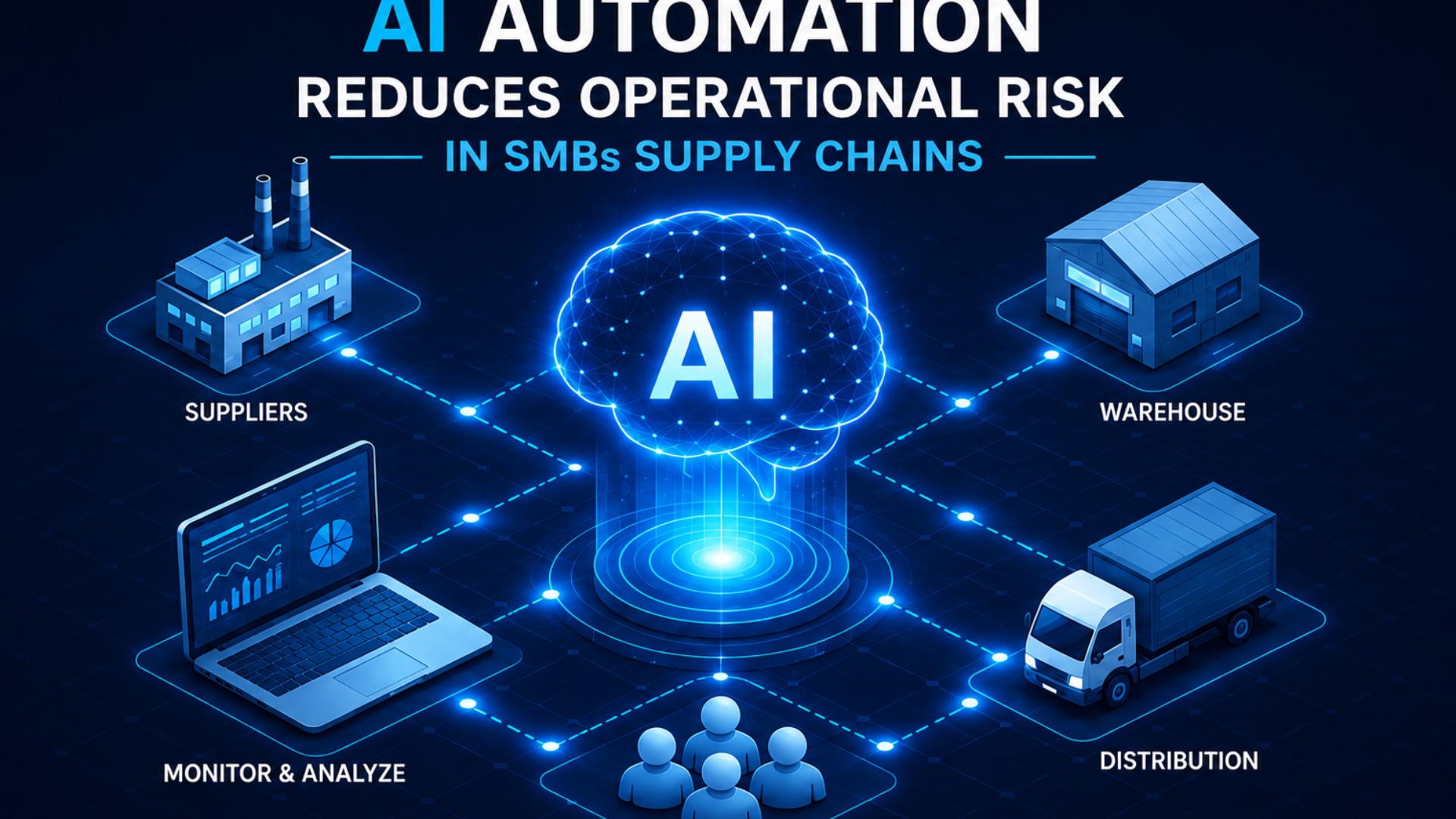
AI automation helps SMBs monitor operations, identify potential problems, and automate repetitive workflows before small issues become larger disruptions.
Understanding Operational Risk in SMB Supply Chains
Operational risks can occur at almost every stage of a supply chain, from procurement and inventory management to transportation, warehousing, order fulfillment, and delivery.
Common examples include:
- Supplier delays and unreliable vendors - Inventory shortages or excess inventory - Inaccurate demand forecasting - Transportation and logistics disruptions - Manual data entry errors - Delays in purchase order processing - Poor communication between departments - Inconsistent reporting - Compliance and documentation issues - Unexpected changes in customer demand
For SMBs, these problems can quickly increase costs, create delays, and affect customer satisfaction.
Real-Time Supply Chain Visibility With AI
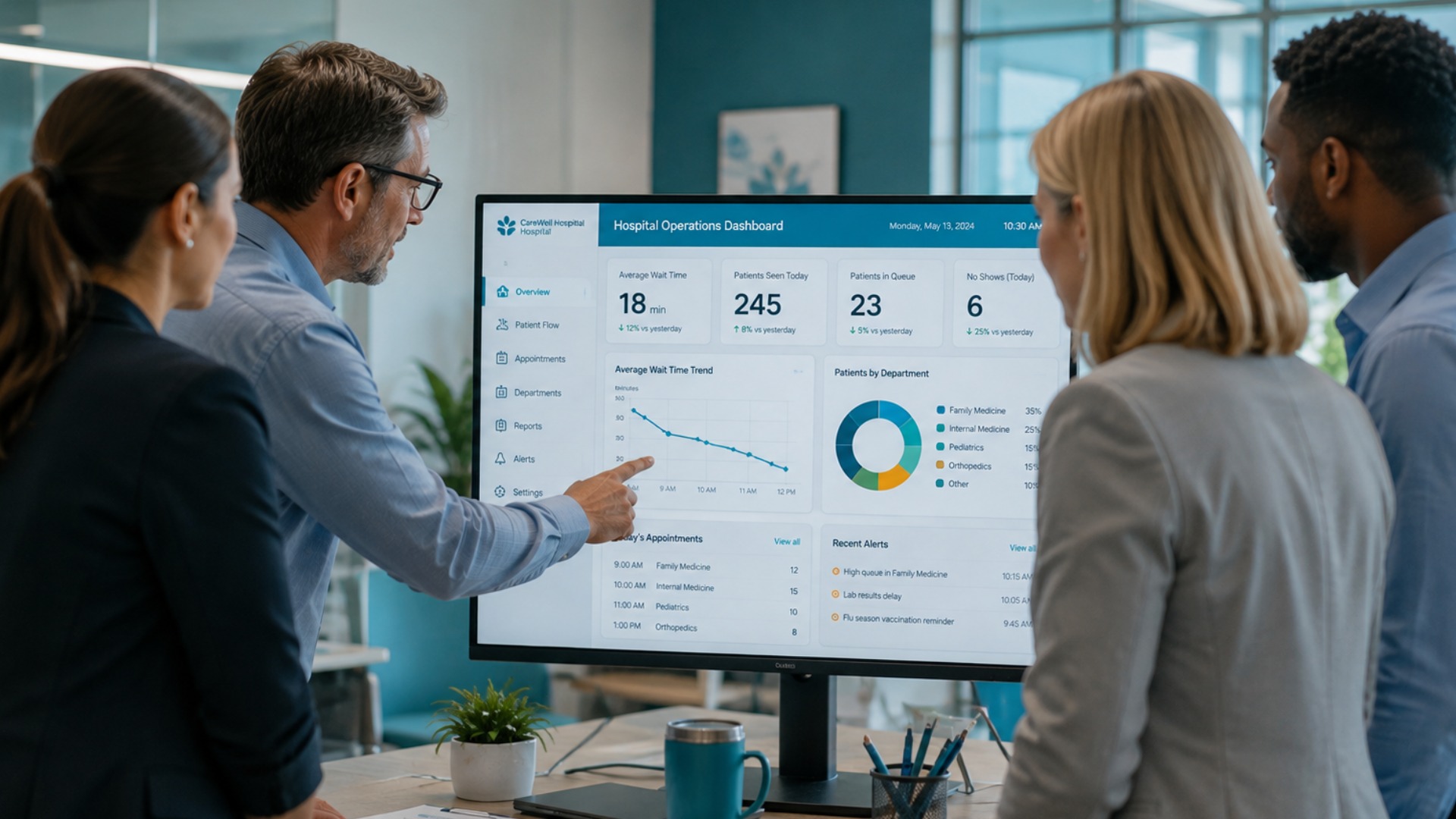
AI automation can connect information from different systems, documents, emails, and workflows to provide better visibility into daily operations. Businesses can monitor inventory levels, purchase orders, supplier performance, shipment status, and customer demand without constantly checking multiple systems manually.
Better visibility helps teams identify issues earlier and take action before they affect the wider operation.
Predicting Supply Chain Disruptions
AI can analyze historical data, supplier performance, demand patterns, and operational signals to identify potential risks. For example, it can help identify a supplier that frequently delivers late, unusual increases in customer demand, or inventory levels that may soon become critical.
This gives SMBs more time to respond instead of discovering a problem after it has already affected operations.
Automating Repetitive Supply Chain Processes
Supply chain teams often spend hours processing purchase orders, checking supplier emails, updating spreadsheets, tracking shipments, entering data, and preparing reports.
AI automation can handle many of these repetitive tasks automatically, reducing manual work and allowing employees to focus on supplier relationships, planning, problem-solving, and other higher-value activities.
Reducing Human Errors
Manual data entry and repetitive workflows create opportunities for mistakes. Incorrect inventory records, missed updates, inaccurate reports, and delayed communications can all create additional operational risk.
AI automation can standardize repetitive processes, validate information, and reduce the amount of manual data handling required from employees.
Faster Alerts and Decision-Making
AI-powered systems can continuously monitor business activity and identify unusual events or exceptions. Businesses can receive automated alerts when shipments are delayed, inventory reaches a critical level, supplier performance changes, or an order requires attention.
This helps teams respond faster without spending hours searching through emails, spreadsheets, and different business systems.
Improving Supplier and Inventory Management
AI automation can help SMBs monitor supplier performance and identify patterns in delivery times, order accuracy, product availability, and communication. It can also monitor inventory levels and alert teams when stock is running low or demand changes unexpectedly.
This can help businesses reduce stockouts, avoid unnecessary overstocking, and make better operational decisions.
Building a More Resilient Supply Chain
AI automation helps SMBs move from reactive operations toward more proactive risk management. By combining real-time visibility, predictive insights, automated alerts, and repetitive workflow automation, businesses can respond to disruptions faster and maintain operational continuity.
The goal is not to replace supply chain teams, but to give them better information and more time to focus on important decisions.
How Sparkix Helps
At Sparkix, we help businesses identify repetitive processes and operational workflows that can be improved through AI automation. From purchase order processing and documentation to shipment monitoring, data handling, and automated alerts, AI can reduce manual work and improve operational efficiency.
For SMBs looking to reduce operational risk and build more efficient supply chains, identifying the right automation opportunities is the first step.