Telehealth has become a normal part of care, but a virtual visit still depends on a long list of small steps going right. The patient needs the correct link, a working connection, completed forms, and verified insurance. When any one of those slips, the visit starts late or does not happen at all.
AI automation takes over many of these steps in the background, so the visit itself can stay focused on the conversation between patient and provider.
Before the Visit: Reminders and Preparation
Automated messages remind patients of their appointment time and include the visit link, so they are not searching old emails at the last minute. Patients can also receive a short checklist, such as finding a quiet spot, charging their device, and having a list of medications nearby.
Some systems let patients test their camera and microphone ahead of time, which catches many connection problems before the doctor is waiting.
Digital Check-In and Intake
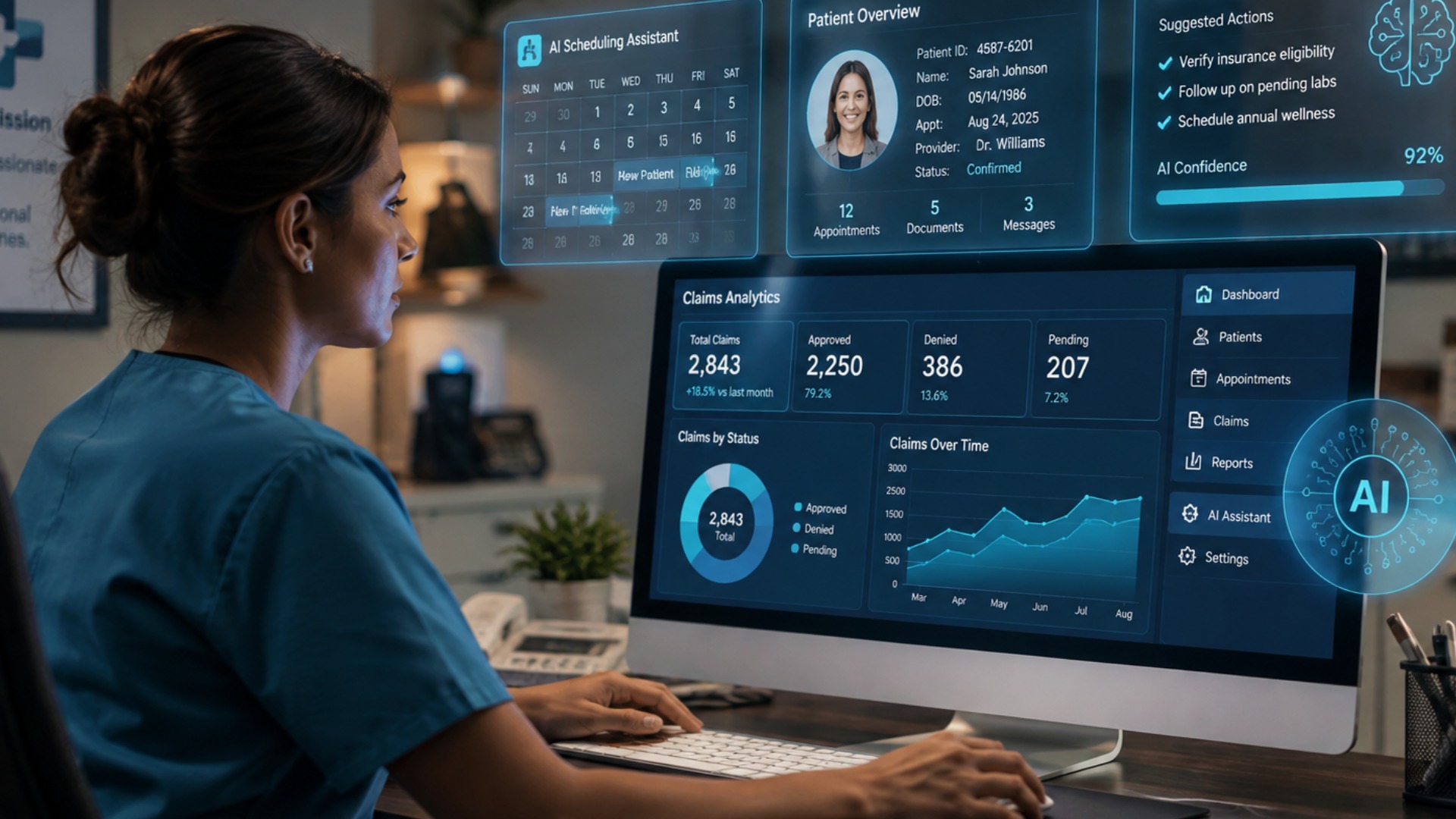
Instead of reading forms aloud at the start of the call, patients can complete intake digitally beforehand. Automation can confirm insurance details, collect updated medication lists, and flag anything missing, so the first minutes of the visit go to the patient's concerns instead of paperwork.
Keeping the Schedule on Track
Virtual visits run on tight schedules, and one late start can push back the rest of the day. Automation can notify patients if a provider is running behind, move a waiting patient into a freed slot, and offer rescheduling when someone cannot connect.
During the Visit
Some telehealth platforms use ambient note-taking tools that draft the visit summary while the provider and patient talk. The provider reviews and approves the note afterward, which keeps responsibility with the clinician. Because the provider is not typing during the call, they can give the patient their full attention.
After the Visit: Summaries and Follow-Up
Once the call ends, automation can send a visit summary, prescription details, and any instructions the provider gave. It can also schedule follow-up appointments and send reminders for tests or next steps. If a patient replies with a concern, the message is passed to a staff member instead of being answered automatically.
Where People Stay Involved
Automation manages logistics, not care. The provider decides what the patient needs, and staff handle questions, concerns, and any situation where a virtual visit is not enough. A good system hands the patient to a person quickly when something falls outside the routine.
Getting Started
Most practices begin with reminders and digital intake, since these fix the most common causes of delayed or missed virtual visits. Once those run reliably, they add follow-up messaging and other steps.