A warehouse runs on a simple promise: the right item is in the right place when an order arrives. Keeping that promise is harder than it sounds. Stock moves constantly, orders come in at different speeds, and a single wrong count can lead to a stockout or a late delivery.
Many mid-size warehouses still manage this with spreadsheets and manual counts. AI automation can take over much of that work and keep information current as things happen.
Keeping Inventory Counts Accurate
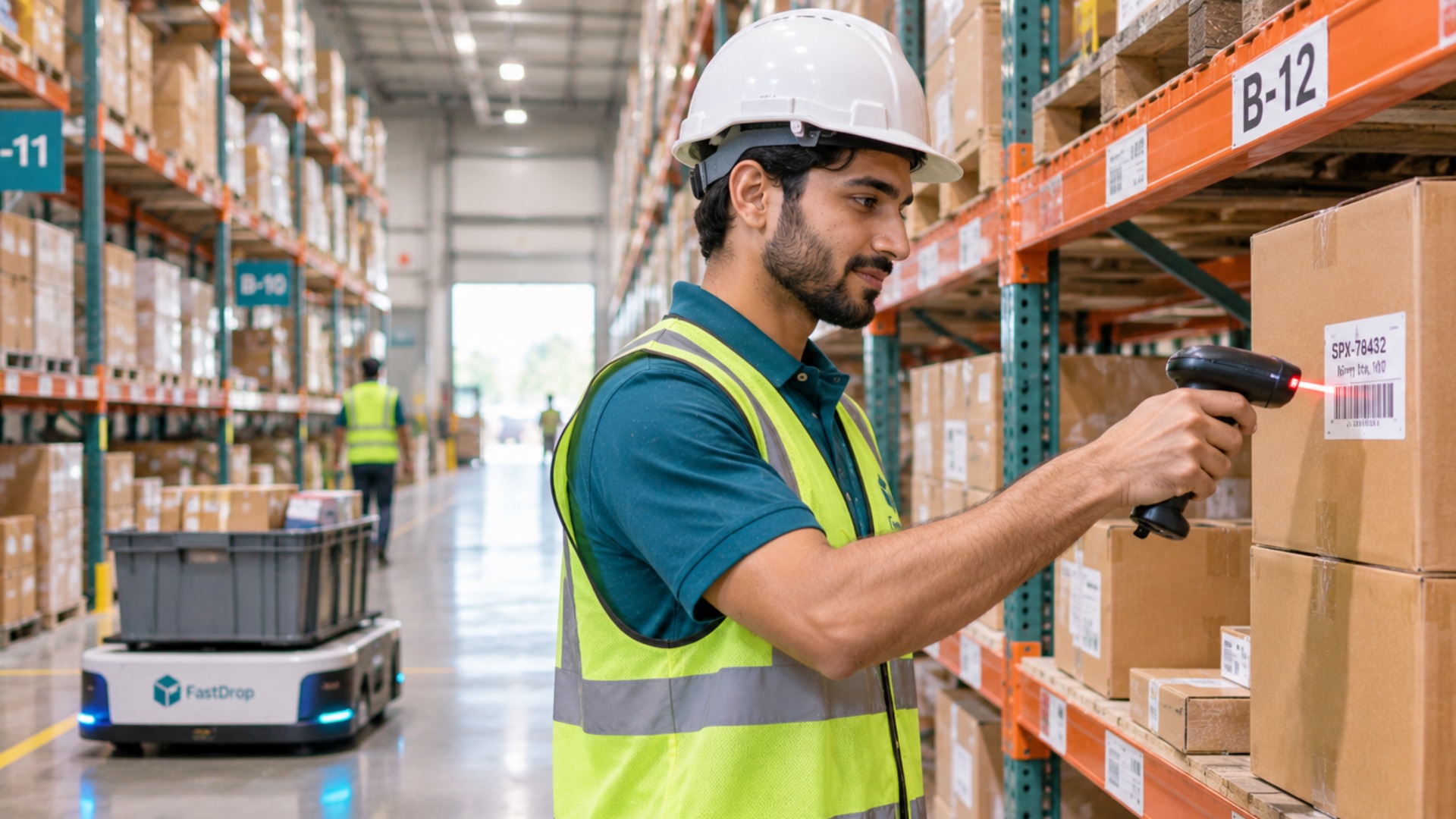
When stock is counted by hand, the numbers are only correct at the moment of the count. By the next morning, they may already be wrong. Automation updates inventory each time an item is received, moved, or shipped, using barcode scans and system records.
AI can also spot counts that do not add up, such as a quantity that dropped without a matching order, and flag them for a person to check. Problems get caught in days instead of at the next quarterly count.
Sorting and Prioritizing Orders
Orders arrive with different deadlines, sizes, and shipping methods. Automation can sort them as they come in, putting urgent orders first and grouping items that sit near each other on the shelves. Pickers spend less time walking back and forth, and rush orders do not get buried in the queue.
Restocking Before Shelves Run Empty
Running out of a popular item costs sales and frustrates customers. AI looks at how quickly each item has been selling and flags products that are likely to run low, so the team can reorder in time.
It can also account for patterns such as seasonal demand or a regular customer who orders on a set schedule. A staff member reviews and approves the suggested orders, which keeps spending under human control.
Reducing Picking and Packing Errors
Wrong or missing items cause returns, complaints, and extra shipping costs. Scanning each item during picking and checking it against the order catches mistakes before the box is sealed. The system can alert the worker right away if something does not match.
Making Better Use of Warehouse Space
Over time, automation can show which items move fastest and which sit untouched. Teams can place popular products closer to the packing area and move slow sellers further away, which shortens each trip and speeds up the day.
Where People Stay Involved
Automation handles counting, sorting, and flagging, but the physical work and the judgment calls stay with people. Staff approve large purchase orders, decide what to do with damaged goods, and handle special requests that do not fit the usual pattern.
Getting Started
Most warehouses begin with one problem, usually inventory accuracy or low-stock alerts, because the results are easy to see. After the numbers prove reliable for a few weeks, they add order sorting and other tasks.