A healthcare front desk fields the same small set of questions over and over: what time do you open, is this insurance accepted, what should I bring to my appointment. None of it requires clinical judgment, yet it consumes a large share of staff time every single day.
AI chatbots are increasingly absorbing that routine volume, sitting on a practice's website, patient portal, or text line to handle the predictable questions before they ever reach a person.
What These Chatbots Actually Handle
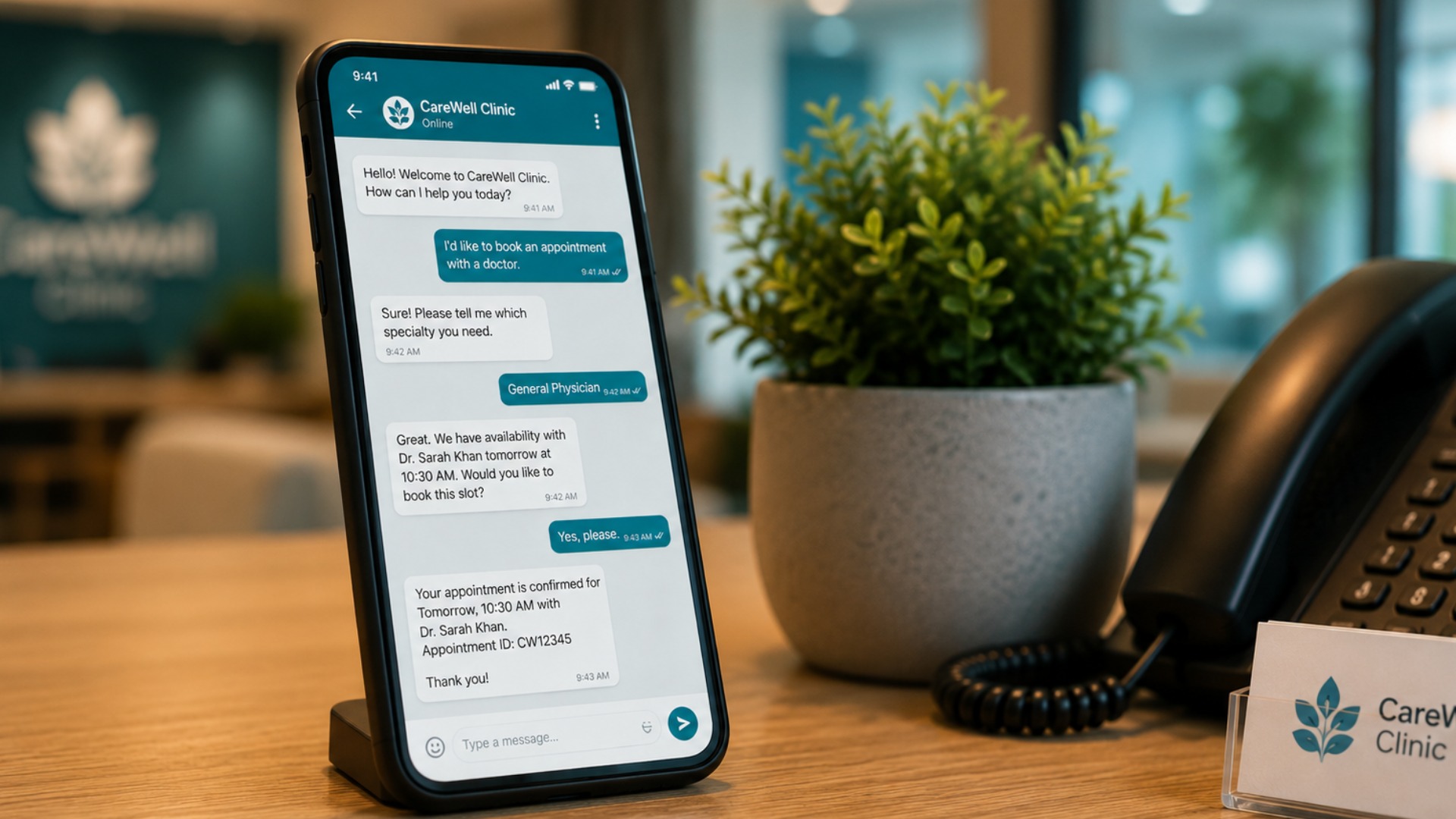
Most healthcare chatbots are built around a narrow, well-defined set of tasks: confirming office hours and location, checking whether a specific insurance plan is accepted, explaining pre-appointment instructions like fasting requirements, and helping patients reschedule or cancel a visit without a phone call.
Because these questions are repetitive and predictable, a chatbot can answer them accurately without needing to interpret anything ambiguous, which is exactly the kind of task automation handles well.
Why Front Desks Benefit More Than Expected
The value shows up less in any single interaction and more in the volume removed from staff. A front desk that used to spend hours a day on routine calls can redirect that time toward patients who are already in the building or dealing with something the chatbot correctly escalates.
Many systems also operate outside office hours, catching questions that would otherwise turn into a voicemail and a callback the next morning, which shortens the gap between a patient's question and getting an answer.
Where the Handoff to a Human Matters
A well-built healthcare chatbot is designed to recognize its own limits. Anything involving symptoms, medical advice, or a request that doesn't fit its scripted paths gets escalated to a staff member rather than guessed at, which is what keeps this kind of automation safe rather than risky.
The chatbots that work best in healthcare settings are narrow by design, built to handle a defined list of questions well rather than attempt to be a general assistant for anything a patient might ask.
The Staff Experience, Not Just the Patient Experience
Much of the conversation around healthcare chatbots focuses on patient convenience, but the bigger shift is often internal. Staff answering fewer repetitive calls report less burnout from constant interruptions, and the calls that do reach them tend to be ones that genuinely need a person's attention.
Getting Started
Practices typically start small, automating just one or two of the most repeated questions, insurance verification and appointment confirmation are common first choices, before expanding the chatbot's scope as staff confirm it's handling those cases reliably.