Most healthcare organizations collect patient feedback in some form: surveys after a visit, online reviews, comment cards, and messages sent through a portal. The problem is rarely a shortage of feedback. It is that nobody has the time to read all of it, so the comments pile up while the same complaints keep repeating.
AI automation is changing that by reading the feedback for staff and showing what patients are actually saying.
Why Feedback Often Goes Unused
A single clinic can receive hundreds of comments a month, and a large health system can receive far more. Written comments are the most useful kind, because they explain what went wrong, but they are also the hardest to review at scale.
As a result, many organizations rely only on the star ratings or a satisfaction score. These numbers show that something is wrong without explaining what.
Sorting Comments Into Clear Themes
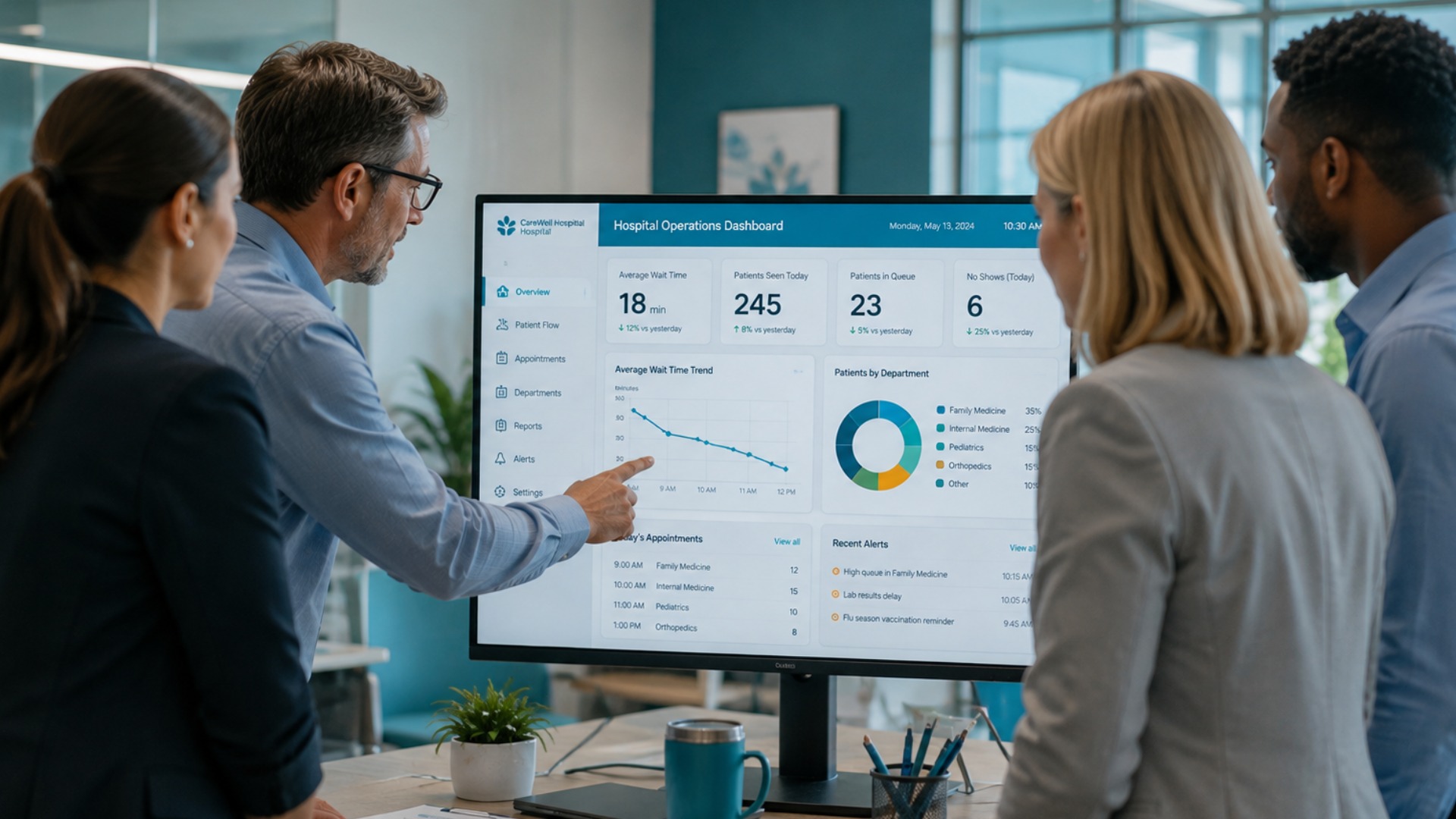
AI tools can read large volumes of written feedback and group comments by topic, such as wait times, billing questions, parking, staff friendliness, or how clear the discharge instructions were. Instead of a thousand separate comments, a manager sees a short list of themes ranked by how often each one comes up.
The tools can also pick up tone, flagging whether comments on a topic are mostly positive, neutral, or frustrated.
Spotting Patterns People Might Miss
Some problems only show up when many comments are viewed together. Complaints about long waits might cluster on Monday mornings, or confusion about billing might come mostly from one location. AI can connect these details across thousands of comments and point out patterns that would take staff weeks to find by hand.
Getting the Right Feedback to the Right Person
Automation can also route comments to whoever can act on them. A comment about a billing error goes to the billing team, a note about a cleanliness issue goes to facilities, and praise for a specific nurse can be passed along to that nurse's manager. Urgent concerns, such as a patient describing a safety problem, can be flagged for immediate human review.
Closing the Loop With Patients
Patients are more willing to share feedback when they see that it leads to change. Organizations can use the themes they find to make visible improvements, then tell patients about them, which builds trust and encourages more responses.
Where People Stay Involved
AI can sort and summarize, but it cannot decide what to change. Leaders still choose which problems to fix first, and staff still read sensitive or serious comments themselves. The tools save time on reading so people can spend it on acting.
Getting Started
Most organizations begin with one source, such as post-visit survey comments, and review the AI-generated themes alongside a few manual checks. Once the themes match what staff see on the ground, they add other sources like online reviews and portal messages.