Introduction
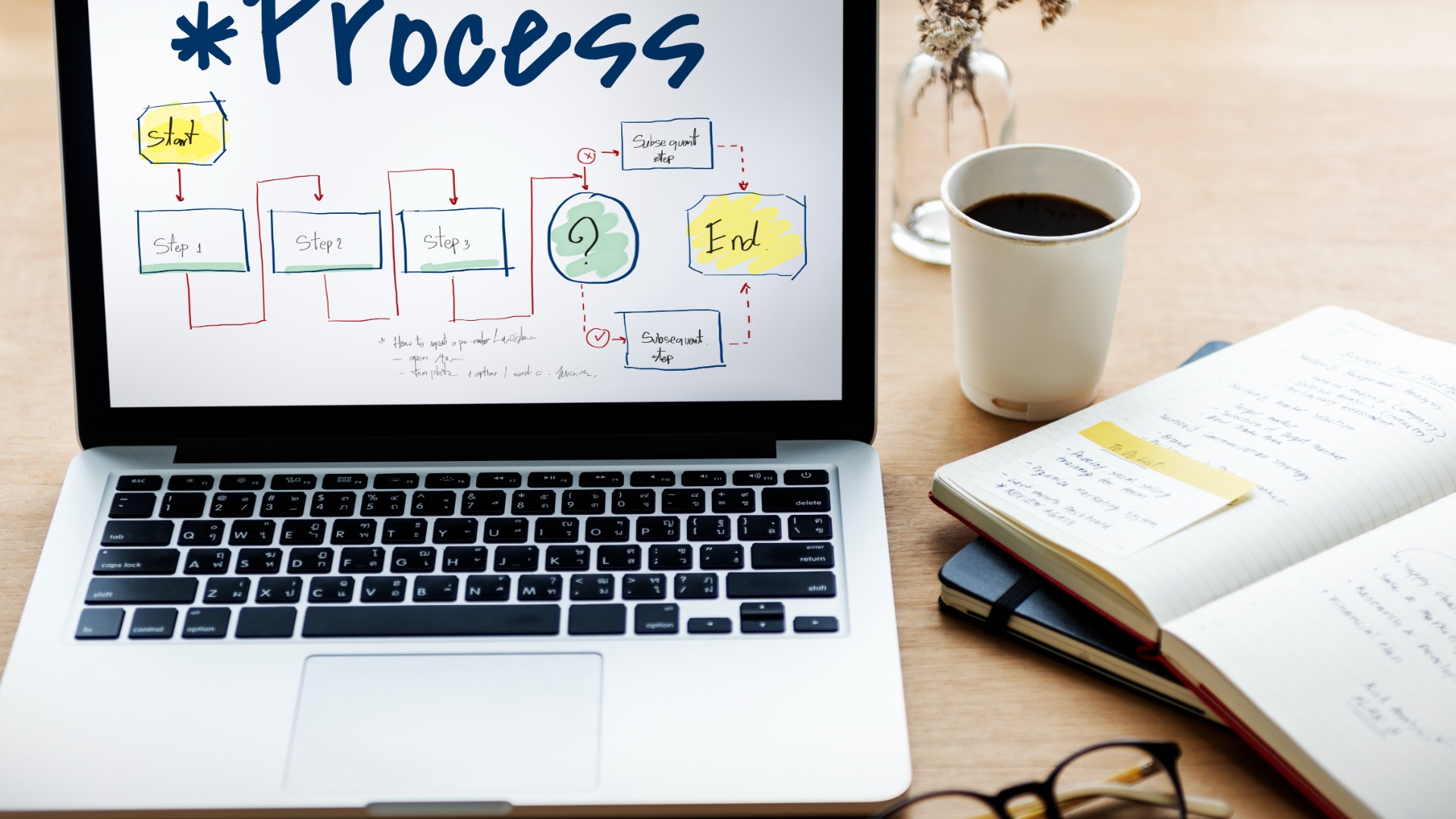
Building enterprise software is fundamentally different from developing simple applications. Enterprise systems must be scalable, secure, reliable, and aligned with complex business processes. To achieve this, a clearly defined end-to-end development process is essential.
Our approach follows a structured lifecycle that ensures clarity at every stage, minimizes risk, and delivers enterprise-grade solutions that are built for long-term success.
Discovery, Research, and Requirement Documentation
Every enterprise project begins with a deep discovery phase. During this stage, we focus on understanding business goals, operational challenges, user roles, and technical constraints.
We conduct stakeholder discussions, workflow analysis, and requirement workshops to define functional and non-functional requirements. All findings are documented in detail, creating a single source of truth that guides the entire project lifecycle.
This phase reduces misunderstandings, scope creep, and costly changes later in the project.
Planning and Technical Feasibility
Once requirements are documented, we move into structured planning. This includes defining project milestones, delivery timelines, and resource allocation.
Technical feasibility assessments are conducted to evaluate integrations, data flow, performance expectations, and infrastructure needs. This step ensures that the proposed solution is realistic, scalable, and aligned with enterprise constraints.
UI/UX Design and User Validation
Design is not just about visuals; it is about usability and efficiency. Our UI/UX process begins with wireframes and user flows that translate requirements into intuitive interfaces.
Interactive prototypes are created to validate user experience early. Feedback from stakeholders and end users is incorporated before development begins, ensuring high adoption and reduced rework.
Development and Implementation
With architecture and designs approved, development begins. Our engineers follow best practices for clean code, modular development, and performance optimization.
Work is executed in iterative cycles, allowing continuous review and progress tracking. This approach ensures flexibility while maintaining alignment with documented requirements.
Quality Assurance and Testing
Quality assurance is embedded throughout the development lifecycle. Our QA process includes functional testing, integration testing, performance testing, and regression testing.
By validating each component and workflow, we ensure the system performs reliably under real-world enterprise conditions.
Security Review and Compliance Validation
Enterprise software must meet strict security and compliance standards. Before release, we conduct security reviews, vulnerability assessments, and access control validation.
This step ensures data protection, system integrity, and compliance with organizational and regulatory requirements.
User Acceptance Testing (UAT)
User Acceptance Testing allows stakeholders to validate the solution against real business scenarios. Feedback gathered during UAT helps fine-tune functionality, workflows, and usability.
Only after UAT approval does the project move toward final deployment.
Deployment and Release Management
Deployment is handled through a controlled and structured release process. We prepare production environments, configure infrastructure, and perform final readiness checks.
This ensures smooth deployment with minimal disruption to enterprise operations.
Post-Launch Monitoring and Support
After launch, we continue monitoring system performance, stability, and usage. Our support team addresses issues proactively and ensures the system operates as expected.
Regular updates and optimizations help maintain performance and reliability.